
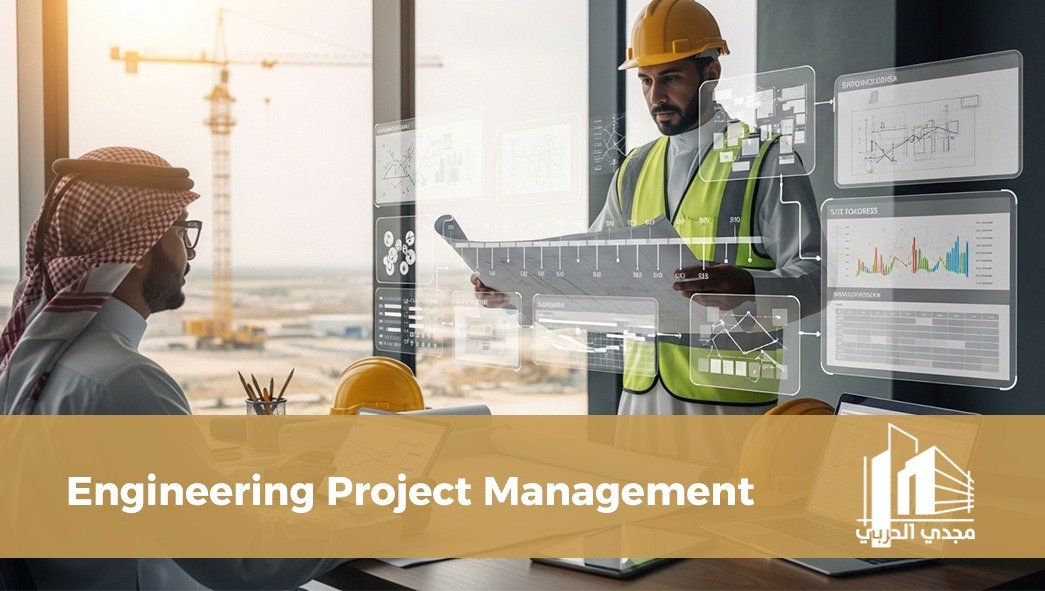
Do you remember that building in your neighborhood where construction suddenly stopped, leaving behind an abandoned concrete structure with hanging electrical wires? Perhaps you have passed by it many times and wondered: how did it end up like this? But the more important question today is different: how can you ensure that your next project does not become like that building? Whether you are planning to build your family home, managing a real estate investment, supervising a development project, or even building your professional experience as an engineer, the goal remains the same: turning an idea into a successful reality without unpleasant surprises. The truth is that the difference between a construction project that reaches completion successfully and another that stalls midway is not only determined by the quality of materials or the skills of the workforce. The real difference lies in an invisible yet decisive element that controls every detail: engineering project management. It is the eye that anticipates the future before excavation begins, and the mind that manages budget, time, and quality simultaneously, transforming your vision into a building you can live in and be proud of. With the rapid urban development taking place in Saudi Arabia, project management is no longer merely an organizational choice. It has become an engineering and regulatory necessity to ensure compliance with the Saudi Building Code and to achieve financial and operational sustainability for facilities. What Is Engineering Project Management? Engineering project management is the art and science of utilizing resources—human, financial, and technical—to achieve defined objectives within a specified timeframe and budget. Unlike traditional management, it requires a deep understanding of engineering codes, safety standards, and coordination between complex disciplines, including architectural, structural, mechanical, and electrical systems. The primary goal is to transform design drawings into a tangible reality with the highest quality standards, while minimizing waste and risks to the lowest possible levels. The Complete Life Cycle of an Engineering Project To properly understand an engineering project, it should be viewed as a living system that progresses through successive stages of development. The project lifecycle does not end when construction is completed—it extends beyond that to include: Feasibility Stage: Assessing project viability. Is the land suitable? Does the budget support the ambition? What are the legal constraints? Design and Development Stage: Converting ideas into engineering language through technical drawings while incorporating Saudi Building Code requirements. Procurement Stage: Selecting contractors and suppliers based on competence and reliability—not just price. Construction Stage: The visible phase where excavation equipment and cranes begin work under strict engineering supervision. Handover and Operation Stage: Delivering the completed building to the owner and beginning actual use. Maintenance and Sustainability Stage: Preserving the efficiency of building systems—especially safety and fire protection systems—to ensure long-term performance. Adhering to this integrated lifecycle ensures that efforts are not wasted and confirms that every riyal spent is invested effectively. Engineering Project Phases in Practical Detail To achieve professional project execution, the work is divided into key phases that ensure smooth progress: Phase 1: Initiation and Planning During this stage, the scope of work is defined and compliance with safety and Civil Defense requirements is verified to avoid legal obstacles later. Phase 2: Design and Approvals Ideas are converted into engineering designs. Compliance with the Saudi Building Code and NFPA standards at this stage facilitates approvals through the Salamah platform. Phase 3: Execution Construction plans are transformed into reality, and coordination between multiple contractors ensures that different activities do not conflict. Phase 4: Monitoring and Control Actual performance is compared with planned targets, and corrective actions are implemented immediately if deviations occur. Phase 5: Project Closing This stage includes final system acceptance testing and the delivery of As-Built drawings to the owner. Steps for Successfully Executing a Construction Project A successful construction project follows precise implementation steps that begin even before the first stone is laid: Feasibility study and planning: defining objectives, estimated budget, and initial timeline. Engineering design: transforming the project vision into detailed technical drawings covering all systems. Procurement and contracting: selecting certified contractors and securing materials compliant with Saudi standards (SASO). Construction phase: requiring strict supervision to ensure work aligns with engineering drawings. Project closure and handover: conducting final inspections, obtaining occupancy certificates, and delivering the facility to the owner. The Difference Between Project Management and Engineering Supervision These two concepts are often confused. Although they complement each other, each has a different scope of work: Project Management: This is the overarching framework focused on the project’s major objectives. The project manager oversees planning, overall budget, contracts, communication between stakeholders, risk management, and ensuring the project is delivered on schedule. In simple terms, the project manager answers the question: Is the project progressing according to the plan and budget? Engineering Supervision: This is the technical field role focused on quality and compliance. The supervisor ensures that materials and construction methods comply with engineering drawings and the Saudi Building Code. The supervisor answers the question: Was this component constructed correctly from an engineering standpoint? Project management therefore governs the relationship between time, cost, and quality, while supervision safeguards technical quality and structural safety. Challenges Facing Construction Project Management Despite careful planning and detailed schedules, engineering projects still face several challenges that may affect time, cost, and quality. Fluctuating Material Prices and Supply Chains Construction material markets often change due to global and local economic factors, potentially exceeding approved budgets. Effective management relies on early procurement planning, clear supply contracts, and financial contingency reserves. Delays in Official Approvals Incomplete regulatory requirements or comments on drawings may delay project commencement or progress. Early coordination with authorities and compliance with the Saudi Building Code and safety regulations helps prevent project suspension. Owner Modifications During Execution Owners may request improvements or changes after construction begins. While common, these changes can disrupt schedules and increase costs. Effective change management ensures that impacts are evaluated before approval. Poor Coordination Between Engineering Disciplines Conflicts between architectural, structural, mechanical, and electrical works may cause costly site issues. Effective
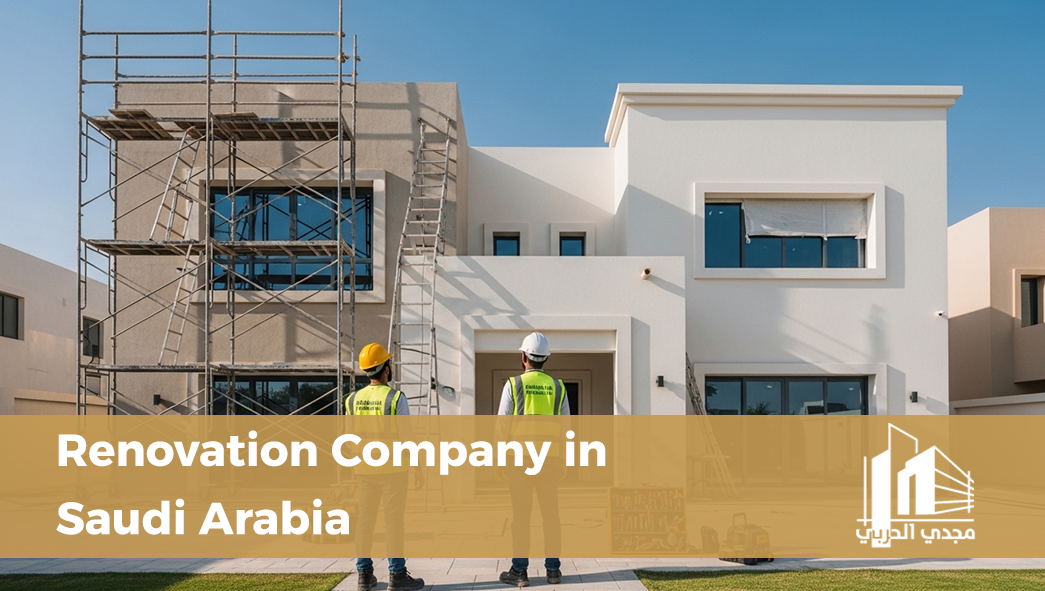
Restoration Company in Saudi Arabia with Engineering Standards Ensuring Safety and Sustainability
Deciding to begin a restoration project is a critical step in preserving real estate assets and increasing their market value. Searching for a restoration company in Saudi Arabia is not merely about enhancing aesthetic appeal—it primarily concerns restoring the structural integrity of the building and addressing defects that emerge over time due to harsh climatic conditions. In this article, we clarify the difference between random repairs and engineering-based restoration, and present the best practices to ensure your property remains durable and safe for years to come. What Is Engineering-Based Restoration? Restoration is not simply covering cracks with paint. It is a technical and engineering process aimed at strengthening damaged structural elements—such as columns and slabs—and treating the root causes of deterioration. When contracting with a specialized company, the process begins with structural assessment and non-destructive concrete testing to determine whether the building requires structural reinforcement or only architectural renovation. When Do You Need a Restoration Company in Saudi Arabia? There are specific warning signs and situations that require immediate engagement of a restoration company in Saudi Arabia to protect your real estate investment, including: Deep Structural Cracks: Diagonal cracks at 45-degree angles near doors and windows, or horizontal cracks in beams and columns, may indicate structural distress. Concrete Deterioration and Corrosion: Spalling concrete and exposed reinforcement bars—especially if corroded—require engineering intervention to repair steel and strengthen elements. Persistent Water Leakage: Continuous moisture stains on ceilings or walls lead to peeling finishes and structural weakening, making restoration essential to prevent partial collapse. Architectural Modernization: When planning façade upgrades or internal layout modifications to align with modern design standards. Purchasing an Older Property: For buildings over 15 years old, comprehensive restoration of mechanical and electrical systems is recommended before occupancy to ensure safety. Criteria for Choosing a Reliable Restoration Company Due to the sensitivity of working with existing structures, selecting a trusted restoration company requires careful evaluation: Engineering Diagnosis: A reputable company does not begin work without issuing a technical report identifying the root causes of cracks—whether structural or due to soil settlement. Expertise in Moisture Control: In Saudi Arabia, humidity and water leakage are primary threats to buildings. The company must offer advanced waterproofing solutions for roofs and wet areas. Compliance with Saudi Building Regulations for Existing Structures: Ensure all structural modifications meet safety and fire protection standards. Integrated Specializations: Successful restoration requires coordination among structural, electrical, and plumbing engineers to modernize internal systems comprehensively. Best Engineering Restoration Methods Professional companies employ precise techniques to ensure sustainable outcomes, including: Structural Crack Injection: Using high-viscosity epoxy materials to fill voids within concrete, restoring structural cohesion and preventing moisture penetration. Column Jacketing: Strengthening weak columns by enlarging their concrete section or applying carbon fiber reinforcement to increase load-bearing capacity without significant size increase. Chemical and Waterproofing Systems: Applying advanced insulation systems (such as polyurethane foam or thick bituminous membranes) for roofs and tanks, and injecting damp walls with moisture-resistant compounds. MEP System Upgrades: Replacing outdated plumbing networks with certified PPR piping systems and upgrading electrical panels to support modern HVAC loads and smart home technologies. Types of Restoration Services Provided by Specialized Companies Restoration companies offer comprehensive services covering all aspects of the property, including: Structural Restoration: Foundation treatment, column strengthening, and repair of concrete honeycombing to ensure structural stability. Architectural Restoration: Façade renewal, repainting, and decorative upgrades transforming outdated buildings into modern designs. Moisture and Leakage Treatment: Roof waterproofing, bathroom and kitchen insulation, and correction of yard floor settlement caused by water seepage. Electrical and Smart System Upgrades: Converting traditional homes into smart systems while updating electrical installations to meet current safety standards. Extensions and Additions: Constructing additional floors or annexes, safely integrated with the existing structural framework. Why Majdi Al-Harbi Is Your Ideal Restoration Partner As a restoration company in Saudi Arabia with strong engineering consultancy expertise, we go beyond superficial repairs. What distinguishes us is: Comprehensive Structural Assessment: We analyze the building’s structural condition before execution to develop a safe and cost-effective restoration plan. Integration of Safety Systems: As safety specialists, we ensure restoration includes upgrading fire alarm and evacuation systems to meet current standards. Quality and Warranty Assurance: We use certified materials compliant with Saudi Standards (SASO) and provide documented warranties for insulation and reinforcement works. Has your property begun showing signs of aging? Do not wait until issues escalate. Contact Majdi Al-Harbi’s experts for a detailed technical inspection and engineering restoration solutions that restore your building’s strength and safety. Frequently Asked Questions About Building Restoration When is restoration necessary? Restoration becomes necessary when diagonal wall cracks appear, concrete spalling exposes reinforcement, or chronic water leakage compromises ceiling safety. Does restoration require official permits? Yes. Most restoration and reinforcement works require municipal permits to ensure execution under licensed engineering supervision without affecting neighbors or public appearance. What is the difference between renovation and restoration? Renovation focuses on aesthetic and decorative changes, while restoration addresses structural and technical defects that threaten the building’s longevity.
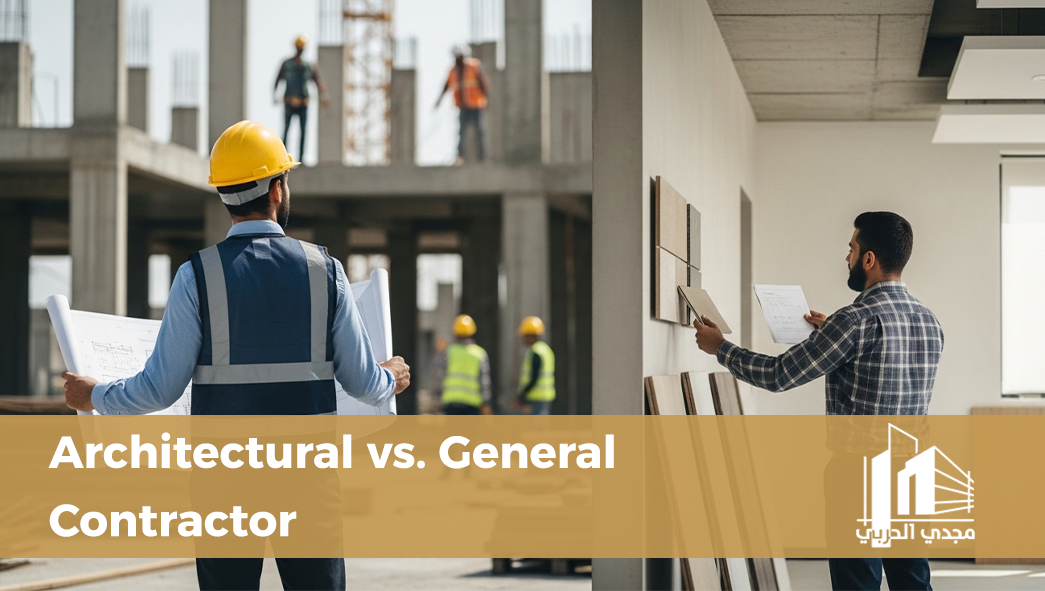
Difference Between an Architectural Contractor and a General
When embarking on the dream of building your lifetime villa or a modern commercial complex in Saudi Arabia, ambition quickly meets the complexity of engineering terminology. You often find yourself facing two options: an architectural contractor and a general contractor. At first glance, the distinction may seem like a matter of labels. In reality, however, the difference is substantial. Confusing the two can disrupt your project timeline, inflate costs significantly, and compromise execution quality for years to come. In this guide, we clarify the roles of these two key players. We explain their responsibilities in clear yet technically grounded language to help you make an informed decision—ensuring your investment is entrusted to professionals who understand construction excellence, safety standards, and the quality benchmarks upheld by Majdi Al-Harbi Engineering Consultancy. What Is an Architectural Contractor? An architectural contractor serves as the technical bridge that transforms paper designs and conceptual visions into tangible reality with professional precision. Unlike a traditional contractor who may prioritize speed of execution, the architectural contractor focuses on the integrity of design details. They possess specialized expertise enabling them to understand the designer’s philosophy and work with advanced construction materials such as metal cladding panels, smart glass façades, and concealed lighting systems. They are not merely executors, but technical specialists who ensure harmony between aesthetic elements and structural safety, guaranteeing that every building detail fulfills its intended architectural and environmental function. Responsibilities of the Architectural Contractor The role of the architectural contractor extends beyond conventional construction to include refined engineering aspects that elevate spatial quality: Shop Drawing Interpretation: Preparing and reviewing detailed drawings that define installation methods with millimeter precision, preventing on-site conflicts. Selection and Procurement of Specialized Materials: Choosing materials such as natural stone, treated wood, or high-performance glass to balance durability with the desired aesthetic appeal. Supervision of Skilled Craftsmen: Managing specialized teams such as decorative artisans and façade installers to ensure refined outcomes. Precision in Proportions and Measurements: Ensuring accurate angles, surface leveling, and color coordination to achieve a premium finish. Architectural Sustainability Compliance: Implementing thermal and waterproofing systems related to façades to ensure energy efficiency in line with the Saudi Building Code. What Is a General Contractor? A general contractor is the master coordinator responsible for managing the entire construction process. They are the legal and technical entity contracted directly by the owner to execute the project in full. Their strength lies in managing human, logistical, and financial resources on site. The general contractor acts as a risk manager and schedule planner, coordinating among various disciplines—civil, architectural, electrical, and mechanical—to deliver a cohesive final product under unified responsibility. Responsibilities of the General Contractor As the primary party accountable for project delivery, the general contractor’s duties include: Contract and Subcontractor Management: Selecting specialized subcontractors and supervising their performance to ensure specification compliance. Planning and Scheduling: Developing a detailed timeline covering excavation, concrete works, and finishing phases, while monitoring progress to avoid delays. Provision of Resources and Equipment: Ensuring availability of construction materials and heavy equipment necessary for execution. Budget Control: Monitoring expenses and managing financial claims to prevent budget overruns. Implementation of Safety Regulations: Ensuring all site activities comply with occupational health and safety standards to protect lives and property. Key Differences Between an Architectural Contractor and a General Contractor To simplify decision-making, the following comparison highlights the core distinctions: Primary Focus: Architectural Contractor: Technical details, aesthetics, and luxury finishes. General Contractor: Structural framework, site management, and overall logistics. Scope of Responsibility: Architectural Contractor: Translating design vision accurately into reality. General Contractor: Delivering the entire project from foundation to handover. Labor Management: Architectural Contractor: Supervises specialized craftsmen (decor, façades). General Contractor: Manages multidisciplinary teams (plumbing, electrical, civil). Project Stage Involvement: Architectural Contractor: Typically during finishing phases or design-intensive projects. General Contractor: From project inception (bare land) to final delivery. Managed Risks: Architectural Contractor: Risks related to architectural defects and material mismatches. General Contractor: Risks related to schedule delays, budget overruns, and coordination conflicts. When Do You Need an Architectural Contractor or a General Contractor? Your choice depends on your project’s nature and stage: Choose a General Contractor if you: Are starting from scratch (bare land). Want a single entity responsible for structural works and full systems integration. Prefer turnkey delivery without managing multiple contractors. Choose an Architectural Contractor if you: Have completed the structural phase and require high-end finishes or complex façades. Are renovating or upgrading the visual identity of an existing building. Need high craftsmanship exceeding the capabilities of a conventional contractor. Tips for Selecting the Right Contractor To protect your investment, evaluate contractors based on: Professional Portfolio: Visit completed projects to assess actual execution quality, not just promotional images. Technical Literacy: A professional contractor actively discusses technical details with the engineering consultant and proposes practical solutions. Safety Compliance Awareness: Ensure the contractor understands fire safety systems and regulatory requirements—an area of expertise at Majdi Al-Harbi Engineering Consultancy. Clear Contractual Documentation: Insist on detailed contracts including bills of quantities, timelines, and warranties. Common Mistakes When Choosing a Contractor Many owners make costly mistakes, including: Assigning a Finishing Specialist to Manage Structural Works: An architectural contractor may lack the logistical experience required for managing foundational and mechanical phases. Ignoring the Role of the Engineering Consultant: Granting full trust to a contractor without independent supervision may lead to material substitutions or specification deviations. Failing to Clearly Define Scope of Work: Starting without a detailed contract often results in disputes and unexpected financial claims. Neglecting Safety Requirements at the Design Stage: Selecting a contractor focused solely on aesthetics while ignoring fire safety standards can lead to permit rejection or serious future risks. The fundamental difference lies in scope of focus: the general contractor oversees the structural whole, while the architectural contractor refines the technical and aesthetic details. Choosing correctly protects your project from financial waste and execution risks. Are you uncertain about how to begin your project or seeking engineering supervision that guarantees quality execution? Majdi Al-Harbi Engineering Consultancy offers extensive expertise in project supervision and
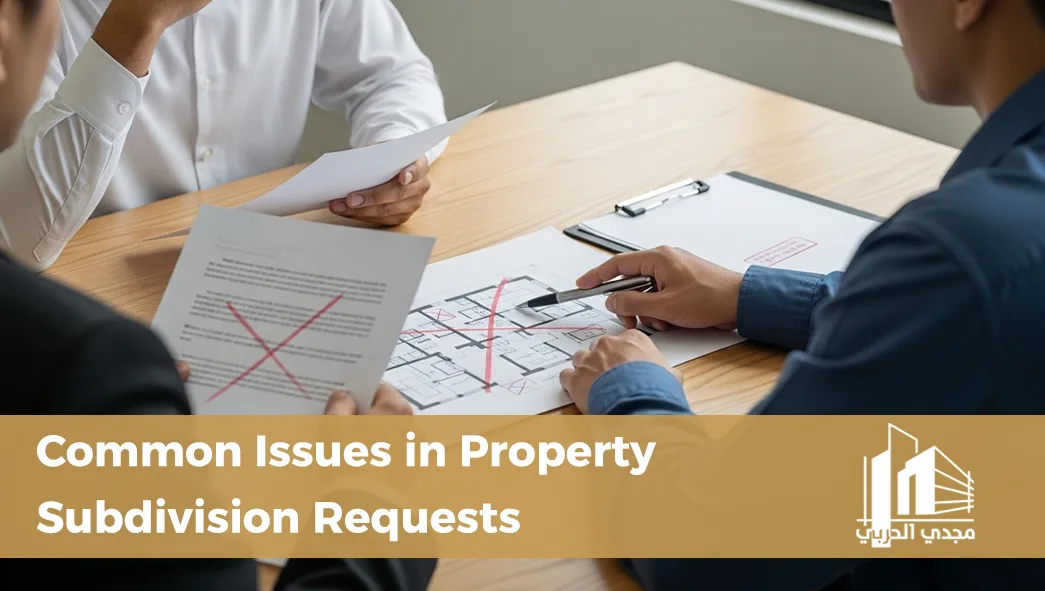
Real Estate Unit Sorting Application Issues
Real Estate Unit Sorting is a necessary step for organizing ownership and protecting property rights in the Kingdom of Saudi Arabia. Despite its clear benefits, many property owners and developers encounter obstacles that delay their applications or even lead to rejection. This article highlights the most common practical issues affecting Real Estate Unit Sorting applications, explains their causes, and provides actionable recommendations to avoid delays and accelerate approval procedures. Main Causes of Rejection or Delay in Real Estate Unit Sorting Applications Applications may encounter difficulties on official platforms for several reasons. The most common include: 1. Incomplete Documentation Missing documents are the primary procedural reason for application rejection. Applicants must ensure the following requirements are fully completed: Updated original title deed. Municipality-approved engineering drawings. Building Completion Certificate (Occupancy Certificate). Approval from all partners in cases of multiple ownership. Valid building permit. 2. Area Discrepancies Between Actual Site and Approved Plans Area discrepancies arise when on-site measurements do not match the dimensions stated in the building permit or architectural drawings. Any variance exceeding the permitted tolerance requires engineering adjustments or updates to the building permit before proceeding with Real Estate Unit Sorting. 3. Errors in Engineering Plans Plan errors often result from inaccurate land surveying or overlapping boundaries between units or shared areas. Common issues include: Unclear unit boundaries. Failure to define common areas (such as parking spaces and corridors) and each owner’s share. Inconsistencies between the sorting plan and previously approved drawings. Non-compliance with technical requirements under Saudi real estate regulations and municipal bylaws. How to Accelerate Approval of a Real Estate Unit Sorting Application To ensure your application is processed as quickly as possible, follow these systematic steps: First: Proper Preparation Before Submission Comprehensive Pre-Review: Have all documents reviewed by a qualified specialist before official submission to avoid basic errors. Resolve Violations in Advance: Do not submit an application if the property has outstanding building violations. Obtain a final Building Completion Certificate and resolve all violations beforehand. Accurate Engineering Plans: Engage a licensed engineering office with proven experience in Real Estate Unit Sorting to prepare clear, site-matching, and regulation-compliant drawings. Second: Work with a Reliable Consultancy Office Specialized offices help speed up approvals due to: In-depth knowledge of requirements for each authority (municipality, Ministry of Justice, and sorting platforms). Experience in tracking applications and identifying technical gaps that may lead to rejection. Ability to prepare professional technical responses to inquiries in a format acceptable to reviewers. Third: Regular Follow-Up and Updated Documentation Ongoing Monitoring: Assign a responsible party to follow up regularly with the consultancy office and relevant authorities to prevent the application from stalling at any stage. Prompt Responses: Respond immediately to requests for additional documents or technical clarifications. Ensure all related deeds and identification documents are updated and digitized. Practical Tips to Avoid Rejection and Ensure Smooth Approval To prevent rejection and facilitate faster processing: Verify Building Compliance: Ensure there are no structural violations (such as exceeding permitted building ratios or unauthorized usage changes), as these will be identified during site inspection. Clearly Define Common Areas: Corridors, parking areas, and service zones must be precisely identified in the plan to avoid future disputes. Confirm Structural Safety (When Required): In some cases involving older buildings, certificates verifying structural integrity and material quality may be requested. Continuous Platform Monitoring: Regularly check the electronic platform to respond quickly to any technical reviewer notes. The Role of the Engineering Office in Resolving Sorting Issues A licensed engineering office plays a critical technical role in resolving complications by: Restructuring plans to align with actual site conditions. Providing technical solutions to correct area discrepancies. Representing the property owner before competent authorities to clarify engineering aspects of the application. Addressing Real Estate Unit Sorting application issues requires technical awareness of municipal and legal requirements. By avoiding documentation gaps and correcting plan errors early, you can protect your real estate investment and obtain independent title deeds with minimal complications. At Majdi Al-Harbi Engineering Consultancy, we possess the technical expertise to resolve even the most complex Real Estate Unit Sorting cases and rectify delayed or rejected plans, ensuring successful approval through the official sorting platform. Frequently Asked Questions About Real Estate Unit Sorting Issues What should I do if my application is rejected due to area discrepancies? You must conduct a new high-accuracy land survey. If the discrepancy is substantial, it may require submitting a building permit amendment request to align the plan with actual site conditions before reapplying for Real Estate Unit Sorting. Do minor building violations affect Real Estate Unit Sorting? Yes. Regulations require the building to fully match the issued permits. Violations must be corrected or related fines settled, and an updated Completion Certificate must be obtained before initiating the sorting process. How can I ensure the engineering office is qualified for Real Estate Unit Sorting? Choose offices accredited by the official sorting platform with a proven track record in handling applications. Experience in responding to reviewer comments significantly accelerates approval. What should I do if my sorting application remains pending for a long time without feedback? If the application remains pending without clear notes, review its status on the electronic platform to ensure no hidden remarks exist. Then contact the supervising engineering office or relevant authority to determine the reason for suspension. In some cases, resubmitting certain documents or updating plans may be required without an official rejection being issued.
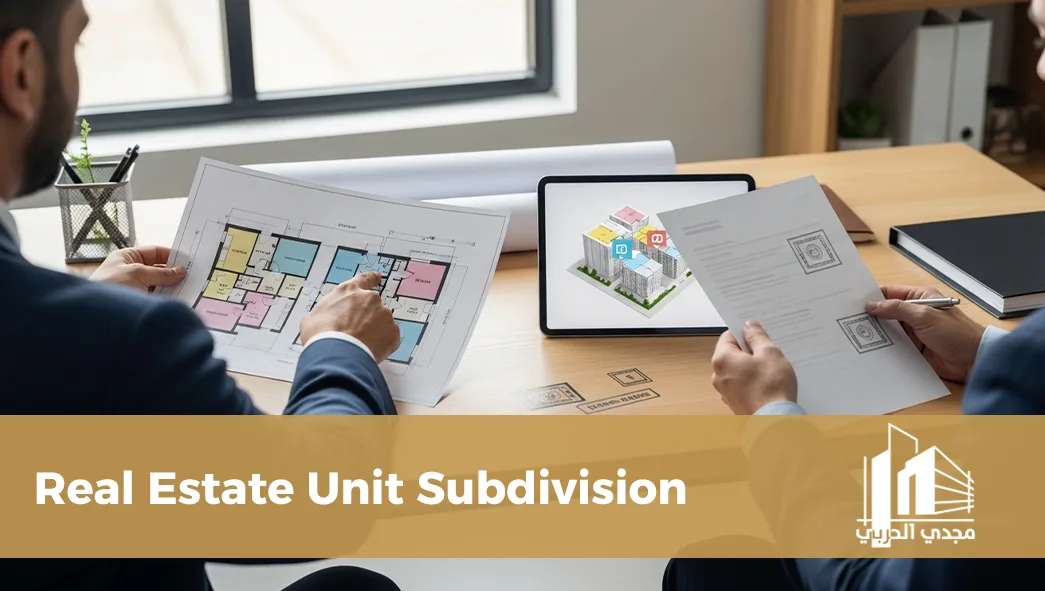
Real estate unit sorting in Saudi Arabia
Real Estate Unit Sorting is a crucial step in organizing ownership within residential and commercial projects. Through this process, each owner’s unit is clearly defined and officially documented, facilitating sales or leasing transactions and reducing potential disputes over boundaries and areas. In Saudi Arabia, compliance with the legal procedures for Real Estate Unit Sorting has become essential to protect owners’ rights and ensure that each unit obtains its independent title deed in accordance with the Saudi real estate regulations. In this article, we will explore the steps of Real Estate Unit Sorting, its key benefits for property owners, and how real estate consultancy offices can assist in completing the process safely and efficiently. What Is Real Estate Unit Sorting? Real Estate Unit Sorting is an engineering and legal procedure through which a property (building or complex) is divided into separate units. The process defines each unit’s share of the total land area and common elements (such as entrances, elevators, and parking spaces). This procedure transforms shared ownership into independent ownership, granting each owner full legal authority to dispose of their unit. The Importance of Real Estate Unit Sorting in Organizing Ownership Organizing Ownership Within Projects: Real Estate Unit Sorting converts a single property into clearly defined units with specified boundaries and areas. This regulates relationships among owners and precisely defines their responsibilities. Foundation for Development and Investment: It is the essential step preceding the individual sale of units in new developments or the organization of ownership in existing buildings. Supporting Urban Development Policies: It aligns with urban planning strategies and facilitates the management of cities and related services such as electricity, water, and sewage. Advantages of Real Estate Unit Sorting Completing the Real Estate Unit Sorting process offers multiple benefits to property owners and the real estate market as a whole: Protection of Owners’ Rights: Each owner receives an independent title deed that legally confirms ownership of their unit and defines shared ownership rights (such as staircases, elevators, parking areas, and gardens), including ownership percentages. Facilitating Sale, Mortgage, and Leasing: Selling or mortgaging a unit becomes easier because it is recognized as an independent and clearly defined property. Leasing and property management are also simplified for individual owners. Reducing Disputes and Legal Conflicts: The process minimizes conflicts between current or future owners regarding ownership boundaries or shared usage. It also provides an official legal document that serves as a reference in case of disputes. Organizing Financial Obligations: It enables the separation of utility bills (electricity and water) per unit and regulates maintenance, insurance, and operational fees for shared facilities. Requirements for Real Estate Unit Sorting in Saudi Arabia To successfully complete Real Estate Unit Sorting in accordance with the Real Estate Unit Sorting Program under the Ministry of Municipal, Rural Affairs and Housing, the following requirements must be met: Valid Title Deed: An updated electronic deed for the land or property to be sorted. Building Permit: A valid construction permit consistent with the property’s current status. Completion Certificate: A certificate confirming that construction works have been completed in accordance with approved plans. Engineering Plans: Architectural drawings detailing unit layouts and areas. Practical Steps for Completing Real Estate Unit Sorting in Saudi Arabia The process follows structured procedures aligned with Saudi real estate regulations and directives issued by the Ministry of Justice and relevant authorities such as municipalities. The main steps include: Preliminary Qualification: Ensuring that the original property meets all required conditions, including a unified title deed, completed construction according to the permit, and settlement of all financial obligations. Appointing an Approved Consultancy Office: Engaging a licensed engineering or real estate consultancy office to conduct the technical study and prepare the required documentation. Preparation of Technical Study and Sorting Plans: The consultancy office prepares a detailed plan showing the boundaries, area, and location of each unit, along with precise identification of common areas. Obtaining Municipal Approvals: Submitting the sorting plans to the relevant municipality for technical and regulatory approval. Submitting the Application to the Competent Authority: Providing all required documents—including the original deed, municipal approvals, sorting plans, and owners’ declarations—to the real estate court or the competent office within the Ministry of Justice. Legal Review and Verification: Authorities review the documentation to ensure full compliance with regulatory requirements. Issuance of Separate Title Deeds: Upon approval, an independent title deed is issued for each real estate unit, registered under a unique number in the real estate registry. Key Challenges in the Real Estate Unit Sorting Process The Real Estate Unit Sorting process may encounter several obstacles, including: Inaccurate or unclear original property plans. Incomplete compliance with municipal regulations (building violations). Disputes over shared ownership percentages among owners. Administrative delays in some cases. Tips to Overcome These Challenges Start Early: Avoid delaying Real Estate Unit Sorting, especially in new buildings intended for sale. Choose Reliable and Licensed Offices: Work with experienced consultancy firms specializing in Real Estate Unit Sorting. Ensure Municipal Compliance: Resolve any building violations before initiating the sorting process. Achieve Owner Agreement: When multiple owners are involved, obtain written approval and agreement on shared ownership percentages. Maintain Active Follow-Up: Assign a responsible party to coordinate with consultants and government authorities. The Role of Real Estate Consultancy Offices in Real Estate Unit Sorting Real estate consultancy offices play a fundamental role in every stage of Real Estate Unit Sorting, from technical studies to the issuance of title deeds, by providing: Technical and Regulatory Expertise: Comprehensive knowledge of municipal requirements, building codes, and Saudi real estate regulations. Accurate Documentation and Planning: Preparation of approved engineering drawings that form the backbone of the sorting application. Government Liaison Services: Facilitating communication with municipalities, the Ministry of Justice, and other authorities, while tracking procedures until completion. Legal Advisory Services: Advising clients on prerequisites and potential challenges, ensuring protection of all parties’ rights. Saving Time and Effort: Simplifying a complex process that requires detailed procedural expertise. Real Estate Unit Sorting is more than a formal administrative step—it is an investment in the legal and financial
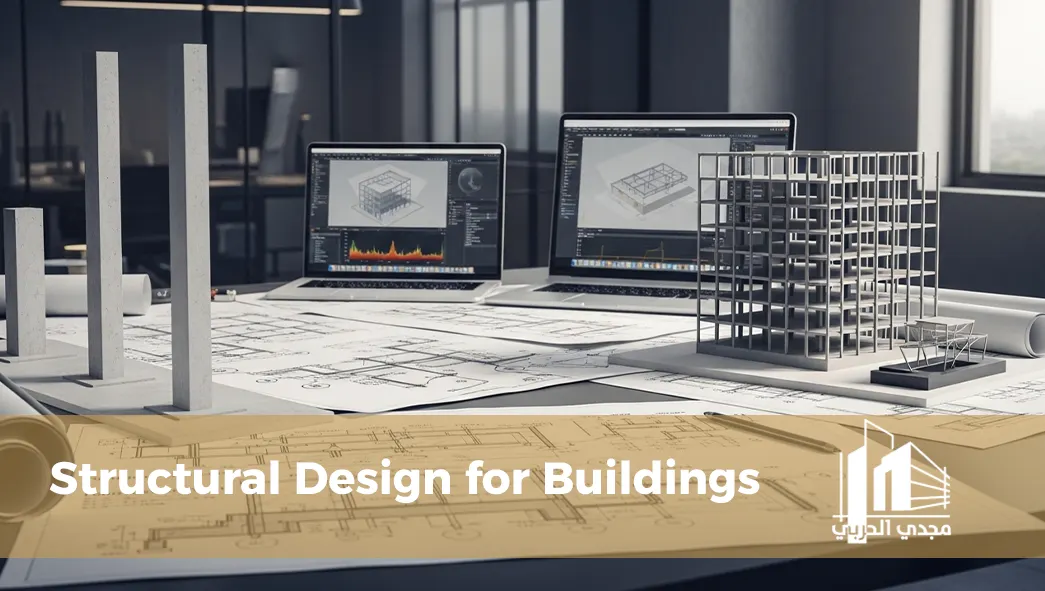
Fundamentals of Structural Design
Structural design is the technical foundation that transforms architectural visions into a tangible reality characterized by strength and safety. The role of the structural engineer goes beyond calculating loads; it extends to engineering solutions that ensure the building’s sustainability and its ability to withstand various forces throughout its service life. Concept of Structural Design and Its Objectives Structural design is defined as the engineering process aimed at determining the dimensions and configuration of structural elements such as foundations, columns, and slabs. The primary objective is to ensure the safe and systematic transfer of loads (dead and live loads) from the top of the building down to the soil, in full compliance with the requirements of the Saudi Building Code. Core Components of the Structural System Structural design consists of several essential components that guarantee long-term stability and safety. Each element plays a specific role in distributing loads and resisting forces acting on the building. The most prominent components include: Structural Framework: This includes columns, beams, and load-bearing walls that form the backbone of the building. The structural system distributes loads evenly from the foundations upward, preserving stability and reducing the risk of cracks or collapse. Concrete Works (Structural Concrete Elements): These represent the fundamental load-bearing components of the building, including foundation slabs, columns, and floor slabs. They are responsible for withstanding pressures generated by structural loads. To ensure quality execution and resistance to environmental fluctuations, the following practices must be observed during concrete casting: Concrete Mix Specifications: Verifying the concrete grade (required compressive strength) and ensuring alignment with approved structural calculations. Proper Casting and Mechanical Compaction: Using mechanical vibrators during pouring to ensure density and prevent air voids (honeycombing). Water Curing: Spraying concrete with water for a specified period after casting to ensure it reaches its required design strength and to prevent thermal cracking caused by rapid drying. Reinforcement Detailing: This includes precise placement of reinforcing steel according to structural drawings. Reinforcement enhances concrete strength and improves resistance to tension and bending forces. Accurate reinforcement detailing ensures proper structural performance and preserves long-term project safety. The precise coordination between the structural framework, concrete works, and reinforcement detailing forms the foundation of every successful structural design, ensuring stability and compliance with engineering standards and the Saudi Building Code. Key Standards and Specifications for Structural Design in Saudi Arabia Structural design in the Kingdom is governed by regulations and standards aimed at improving construction quality and ensuring occupant safety. The most significant include: Compliance with the Saudi Building Code (SBC): The mandatory reference for all engineering offices, defining minimum structural resistance requirements, particularly regarding seismic loads (SBC 301) and concrete structures (SBC 304). Material Strength Standards: Specified grades for concrete and reinforcing steel must comply with standards issued by the Saudi Standards, Metrology and Quality Organization (SASO) to withstand harsh climatic conditions. Soil Mechanics Studies: Conducting soil investigations before design is mandatory to determine bearing capacity and select appropriate foundation types, preventing future settlement or cracking risks. Environmental Durability Requirements: Ensuring adequate concrete cover thickness and high-quality insulation to protect reinforcing steel from salts and moisture, especially in coastal areas. Practical Steps for Preparing Structural Design Developing structural design follows precise technical stages to ensure accuracy and building safety: Architectural Plan Review: Analyzing architectural layouts to determine optimal column and load-bearing wall locations without compromising the building’s aesthetic function. Load Analysis: Calculating all acting forces, including dead loads (self-weight), live loads (occupancy and furnishings), and wind and seismic loads according to geographic location. Structural Modeling: Creating a digital model of the building using advanced engineering software to simulate structural behavior under various stress conditions. Element Design and Detailing: Determining dimensions of concrete elements and reinforcement quantities for foundations, columns, and slabs, while meeting durability and safety requirements. Issuance of Construction Drawings: Converting calculations into clear technical drawings, including reinforcement details and quantity schedules to enable accurate on-site implementation. The Role of Engineering Consultancy Offices in Structural Design Engineering consultancy offices serve as the safety authority responsible for translating technical requirements into a secure reality. Their role includes: Verification and Approval: Reviewing structural calculations to ensure compliance with international standards and the Saudi Building Code for both legal and technical safety. Efficiency and Cost Optimization: Providing intelligent structural solutions that balance maximum safety with cost efficiency in materials such as steel and concrete without compromising quality. On-Site Technical Supervision: Monitoring construction stages (reinforcement placement and concrete casting) to ensure alignment with approved design drawings and correcting deviations immediately. Managing Structural Challenges: Addressing soil issues, high-rise demands, and complex conditions with innovative engineering solutions to ensure structural stability. The success of any project begins with the quality of its structural design and the precision of its structural framework execution in accordance with approved drawings. Attention to concrete quality and strict adherence to reinforcement detailing provide the true guarantee of building sustainability and the protection of lives and property. At Majdi Al-Harbi Engineering Consultancy, we believe engineering is a blend of analytical precision and practical innovation. We provide comprehensive structural consulting services aligned with the Saudi Building Code to ensure the highest levels of safety and efficiency. Frequently Asked Questions About Structural Design What is the difference between an architect and a structural engineer? An architect focuses on exterior design, interior planning, and aesthetics, while a structural engineer focuses on the building’s strength, stability, and the design of elements that prevent structural failure. Can structural design be modified after construction begins? Yes, but only after review by the structural designer to recalculate loads and confirm that the modification does not compromise the overall structural integrity of the building. Why do cracks appear in concrete immediately after casting? Such cracks often result from rapid evaporation of water in concrete (shrinkage cracking) or inadequate curing. Therefore, approved water-curing schedules must be strictly followed. How can I ensure the quality of reinforcement detailing in my home? By contracting a specialized engineering office to supervise execution. The supervising engineer verifies steel diameters, lap lengths, and stirrup distribution against
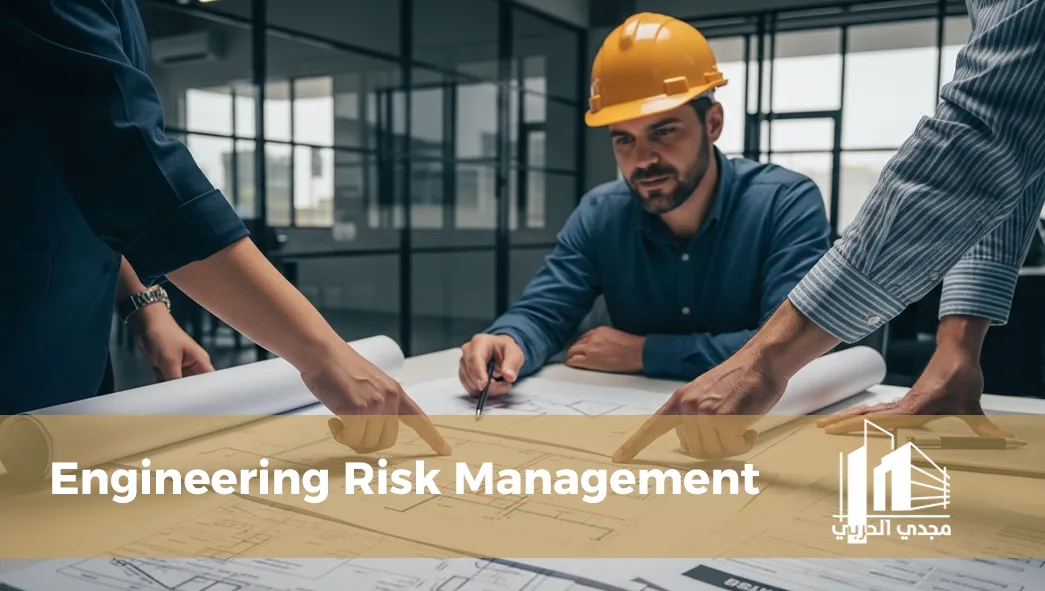
Engineering Risk Management in Construction Projects
Major engineering projects transition from paper-based plans into tangible realities through a complex chain of processes. At every stage of this journey, challenges may arise that impact timelines, costs, or even the safety of structures and human lives. Here, Engineering Risk Management emerges as a fundamental system that ensures projects are executed in accordance with technical specifications while meeting international safety standards and the Saudi Building Code. Concept of Engineering Risk Management Engineering Risk Management is a systematic process aimed at identifying, analyzing, evaluating, and mitigating potential risks that could negatively affect the success of engineering projects—whether in terms of cost, schedule, quality, or safety. It involves assessing financial, environmental, and technical threats, and developing proactive strategies to avoid or reduce their impact throughout the entire project lifecycle. How Does Risk Management Protect a Project? Risk management serves as the project’s protective shield through its direct impact on three critical levels: Protection of Assets and Investments: By anticipating structural failures or fire hazards before they occur, engineering risk management prevents damages that could cost millions, thereby preserving the capital value of the facility. Ensuring Schedule Continuity: Most delays in large-scale projects stem from unforeseen technical or legal complications. A proactive plan enables a prepared response, minimizing downtime and preventing workflow disruptions. Compliance and Professional Reputation: Protecting the project from legal consequences and penalties due to non-compliance with engineering codes enhances stakeholder confidence and reinforces the credibility of your engineering outputs. Classification of Engineering Risks Understanding how to safeguard projects begins with identifying the nature of potential risks, which generally fall into several core categories: Technical and Design Risks: Errors in structural calculations, unsuitable soil conditions, or the use of non-compliant construction materials. Safety and Fire Protection Risks: Deficiencies in alarm and suppression systems, or poor emergency exit distribution, increasing the likelihood of casualties and property loss in the event of a fire. Environmental and Natural Risks: Earthquakes, floods, or extreme climate variations that may affect structural integrity if not considered during analysis and design phases. Legal and Contractual Risks: Non-compliance with municipal regulations or updates to the Saudi Building Code (SBC), potentially resulting in project suspension or substantial fines. Operational Risks: Issues arising after project handover, such as mechanical or electrical system failures due to inadequate maintenance planning. Strategic Pillars for Enhancing Engineering Project Safety To establish a comprehensive protection framework, modern engineering practices rely on three core pillars that form the backbone of risk management: 1. Risk Assessment During the Design Phase Safety management begins at the engineering desk—well before the foundation stone is laid. A design that accurately distributes loads, ensures compatibility between materials and environmental conditions, and integrates fire protection pathways significantly neutralizes future operational risks and prevents costly implementation errors. 2. Emergency Planning and Technical Response Risk management is not only about preventing incidents—it is about being fully prepared should they occur. This includes developing integrated emergency response scenarios, such as automatic fire suppression systems and safe evacuation routes, to protect lives and minimize structural damage. 3. Technical Supervision and Field Compliance Assurance Engineering risks often lie in execution details. Strict technical supervision ensures that safety management documentation is implemented accurately on-site, in full compliance with all Saudi Building Code requirements to guarantee structural sustainability. Practical Steps to Implement Risk Management in Your Project To transform risk management from theory into practice, a structured technical pathway consisting of four integrated stages is followed: Comprehensive Survey and Diagnosis: In-depth review of engineering drawings and site logistics to identify design gaps, environmental constraints, or resource deficiencies that could threaten project stability. Modeling and Technical Analysis: Application of qualitative and quantitative assessment tools to prioritize risks based on probability and potential impact on lives and assets. Development of Mitigation Strategies: Engineering solutions are formulated through four approaches: (Avoidance) by design modification, (Mitigation) by adding protection systems, (Transfer) through professional insurance coverage, or (Acceptance) with contingency budgeting. Governance, Monitoring, and Control: Continuous evaluation of implemented measures and updating the risk matrix based on schedule adjustments or specification changes during execution. The Role of Engineering Consultancy Offices in Risk Management Engineering consultancy firms function as both technical and legal safeguards, ensuring project security throughout its lifecycle by: Ensuring Compliance with the Saudi Building Code: Verifying that designs and systems meet national requirements to avoid legal violations. Comprehensive Technical Analysis: Conducting soil studies, load calculations, and mechanical system evaluations to reduce structural defect risks. Approval of Materials and Systems: Selecting suppliers and materials that meet the highest safety standards (such as UL and FM certifications). On-Site Supervision and Monitoring: Detecting and correcting deviations during execution before they evolve into critical risks. Development of Fire Protection Plans: Designing integrated alarm and suppression systems to ensure maximum protection for lives and property. Engineering Risk Management is a strategic investment that safeguards capital from losses caused by corrective works and compensation claims. Strength in engineering is not defined solely by speed of completion, but by the ability to control variables and protect project value. If you are seeking to secure your next project and ensure compliance with the highest international safety standards and the Saudi Building Code, our team at Majdi Al-Harbi Engineering Consultancy provides extensive expertise in specialized engineering consulting. We help transform safety complexities into practical procedures that guarantee the success of your investment. Frequently Asked Questions About Engineering Risk Management What is the relationship between the Saudi Building Code and Risk Management? The Saudi Building Code (SBC) is the primary legal and technical reference for minimizing risks. It establishes the minimum safety requirements for buildings. Compliance with the code is the first and most essential step in any successful risk management plan, ensuring regulatory approval and structural integrity. How are unavoidable risks managed? Such risks are addressed through mitigation or transfer strategies, such as professional insurance coverage. The goal is to reduce the likelihood of occurrence or minimize financial and technical impact to a manageable level without jeopardizing project success. Is Risk Management limited to large-scale projects? No. Risk management is