
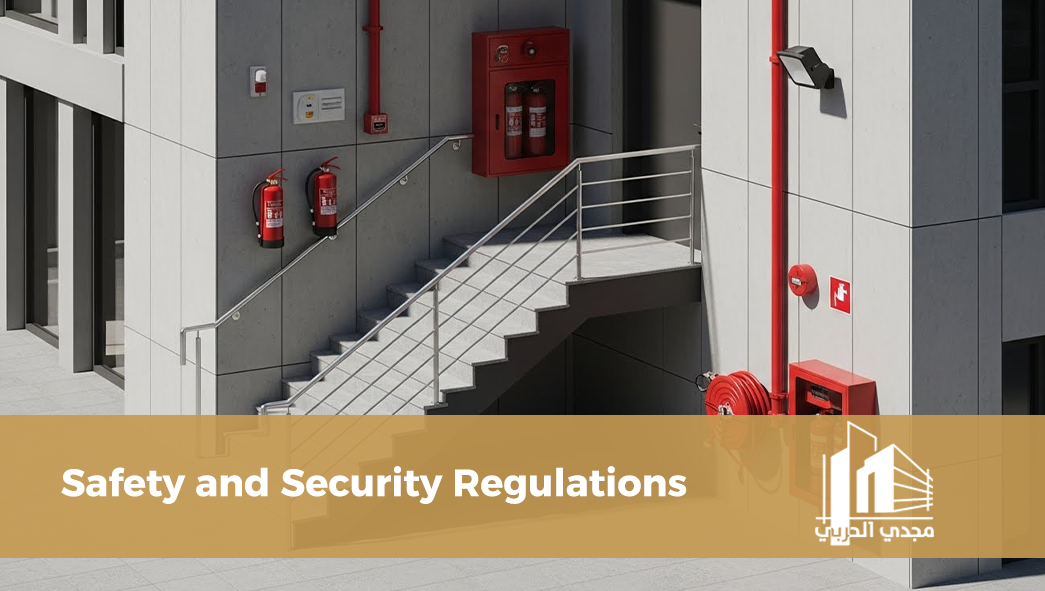
Firefighting and fire alarm systems are the cornerstone of facility protection against disasters. These systems operate through an integrated network that begins with early detection of smoke and heat and ends with automatic fire suppression. Selecting the most suitable system requires a precise understanding of potential fire types and the nature of the building’s occupancy, whether residential, commercial, or industrial. It also requires strict adherence to technical installation standards to ensure the system performs effectively during emergencies. The integration of these systems directly reduces human and material losses while providing a safe environment compliant with legal requirements and the updated Saudi Building Code.
Types of Modern Fire Alarm Systems
Fire alarm systems are generally divided into two main technologies. The choice between them depends on the size of the facility and the complexity of its layout.
Conventional Systems:
These systems connect multiple detectors within a single zone. When a fire occurs, the system identifies the general area (such as a specific floor) but cannot pinpoint the exact location. They are typically suitable for small buildings and open warehouses.
Addressable Systems:
These are more advanced fire alarm systems where each detector has a unique digital address. When a hazard is detected, the control panel displays the precise location (for example: Office 5 – Third Floor). This accuracy saves valuable response time and makes them ideal for towers, hospitals, and large industrial facilities.
How Firefighting Systems Work in Buildings
The efficiency of firefighting systems relies on immediate response. Their operation generally follows three connected technical stages:
Detection Stage:
Smoke or heat detectors identify changes in air quality or temperature and immediately send signals to the control panel.
Alert and Control Stage:
Alarm bells and sirens are activated while automated commands are sent to building systems such as stopping air conditioning to prevent smoke spread, recalling elevators to the ground floor, and unlocking electronic doors.
Suppression Stage:
Appropriate firefighting systems are activated, such as water sprinklers or inert gas systems in sensitive areas to extinguish flames before they spread.
Comparison Between Water and Gas Fire Suppression Systems
| Comparison | Water Sprinkler Systems | Clean Agent Gas Systems |
|---|---|---|
| Common Use | Offices, malls, warehouses | Server rooms, laboratories, museums |
| Extinguishing Method | Direct cooling of flames with water | Reducing oxygen or interrupting chemical reactions |
| Impact on Equipment | May cause water damage | Clean suppression with no residue |
| Cost | Moderate and economical for large areas | Higher due to specialized gas systems |
| Reliability | Very high and widely used | Specialized for protecting valuable assets |
Components of Approved Fire Protection Networks
Professional fire protection systems consist of essential components that work together to ensure continuous firefighting capability.
Water Storage Tanks:
Large-capacity tanks designed to supply firefighting operations for a specific duration according to safety codes.
Fire Pumps:
The core of the system, typically including three pumps:
Jockey pump for maintaining pressure
Electric pump for primary firefighting pressure
Diesel pump as a backup during power outages
Control Panels:
Intelligent panels that monitor sensors, pumps, and alarms, ensuring immediate system activation.
The Importance of Fire Pumps in Safety Systems
Without fire pumps, water distribution networks cannot provide adequate pressure to reach upper floors or distant points in a building. Pump rooms must be designed according to international standards such as NFPA guidelines and must undergo periodic testing to ensure operational readiness.
The Role of Smoke Detectors in Early Fire Protection
Smoke detectors are often referred to as the silent guardian of a facility. They can detect fires during the smoldering stage before flames appear. Proper engineering distribution of detectors reduces false alarms caused by dust or steam while ensuring full coverage of building spaces.
Technical Requirements for Installing Fire Protection Systems
Proper installation requires adherence to strict engineering details to pass civil defense inspections.
Piping Systems:
Using approved black steel pipes (Schedule 40) capable of withstanding high pressure and temperature.
Sprinkler Heads:
Selecting suitable sprinkler types such as Upright, Pendent, or Sidewall depending on ceiling design and interior layout.
Fire-Rated Cables:
Using cables resistant to fire to ensure the fire alarm system continues operating during emergencies.
Choosing the Right Fire Protection System
Selecting the appropriate firefighting system depends on a detailed risk assessment. For example:
Facilities handling oils may require foam-based systems.
Libraries and archives may require water mist systems to reduce water damage.
Sensitive data centers rely on gas-based suppression systems.
Working with specialized engineering consultants ensures that the system design balances safety requirements with budget considerations.
Engineering Goal: Achieving Zero Incidents
The ultimate objective of modern fire protection design is to create a risk-free environment. Fire alarm and suppression systems should not be viewed as regulatory obligations alone but as strategic investments in safety and operational stability.
Maintenance of Fire Alarm and Firefighting Systems
Lack of maintenance is one of the main reasons safety systems fail during emergencies. Preventive maintenance should include:
Battery testing
Cleaning smoke detectors
Inspecting control valves and pumps
Conducting regular operational tests
Proper maintenance extends system lifespan and ensures immediate response when needed.
International Standards (NFPA) in Fire Protection Systems
Saudi Arabia relies heavily on the standards of the National Fire Protection Association (NFPA) as a primary reference for fire safety design. Compliance with these standards ensures that buildings meet global safety practices and facilitates insurance approvals and international property evaluations.
Investing in firefighting and fire alarm systems is a crucial decision that protects lives before property. By integrating smart technologies with precise engineering design and professional installation, buildings can achieve the highest levels of safety and resilience against fire risks.
Request a comprehensive consultation from Eng. Majdi Al-Harbi Engineering Office to evaluate the efficiency of your fire protection and alarm systems.